
Showing metabocard for Dolichol phosphate (MMDBc0033164)
| Record Information | |||||||||||||||||||||||||
|---|---|---|---|---|---|---|---|---|---|---|---|---|---|---|---|---|---|---|---|---|---|---|---|---|---|
| Version | 1.0 | ||||||||||||||||||||||||
| Status | Detected and Quantified | ||||||||||||||||||||||||
| Creation Date | 2021-11-19 04:37:18 UTC | ||||||||||||||||||||||||
| Update Date | 2022-12-15 22:51:54 UTC | ||||||||||||||||||||||||
| Metabolite ID | MMDBc0033164 | ||||||||||||||||||||||||
| Metabolite Identification | |||||||||||||||||||||||||
| Common Name | Dolichol phosphate | ||||||||||||||||||||||||
| Description | Dolichol phosphate is the most prevalent polyisoprenyl-glycosyl carrier found in mammals. It is involved in reactions such as the C-4 and O-mannosylation of proteins, the formation of glycosylphosphatidylinositol (GPI) anchors and the N-glycosylation of proteins. The chain length of eukaryotic dolichol molecules differs from 14 to 17 isoprene units in unicellular organisms like yeast whereas mammalian cells produce dolichol with 18-21 isoprene units. During the de novo synthesis of dolichol in eukaryotes, farnesyl pyrophosphate, a metabolite of cholesterol biosynthesis, is elongated by successive condensations to isopentenyl pyrophosphate molecules. These reactions are catalyzed by cis-isopentenyltransferases. After the polyisoprene pyrophosphate chain has reached its final length, both phosphate residues are released by mono- or pyrophosphatases. The isoprene unit of the polyprenol is then reduced by a nicotinamide adenine dinucleotide phosphate (NADPH)-dependent microsomal reductase. The final step in dolichol phosphate synthesis is catalyzed by dolichol kinase (DK1), an enzyme that transfers a phosphate from choline-phosphate cytidine triphosphate (CTP) to dolichol. Once synthesized, dolichol phosphate can react with cytosolic GDP-mannose in the endoplasmic reticulum membrane to form dolichyl phosphate D-mannose. A new inherited metabolic disorder, Dolichol kinase (DK1) deficiency has recently been discovered. Affected patients present with a very severe clinical phenotype, with death in early infancy. Symptoms include secondary microencephaly, dry, thin, parchmentlike skin, hyperkeratosis, minimal hair growth and muscular hypotonia. (PMID: 17273964 ). | ||||||||||||||||||||||||
| Structure | 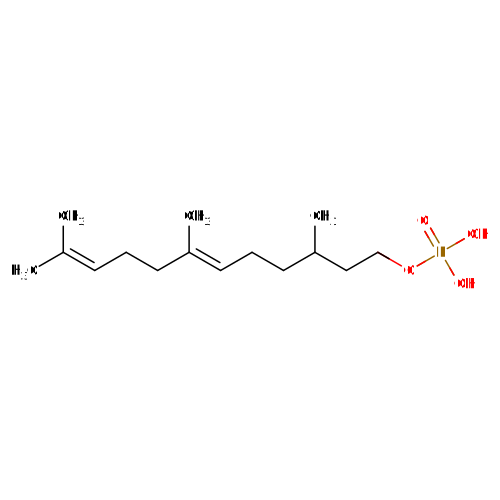 | ||||||||||||||||||||||||
| Synonyms | Not Available | ||||||||||||||||||||||||
| Molecular Formula | C15H29O4P | ||||||||||||||||||||||||
| Average Mass | 304.367 | ||||||||||||||||||||||||
| Monoisotopic Mass | 304.180346412 | ||||||||||||||||||||||||
| IUPAC Name | Not Available | ||||||||||||||||||||||||
| Traditional Name | Not Available | ||||||||||||||||||||||||
| CAS Registry Number | 34457-14-2 | ||||||||||||||||||||||||
| SMILES | Not Available | ||||||||||||||||||||||||
| InChI Identifier | InChI=1S/C15H29O4P/c1-13(2)7-5-8-14(3)9-6-10-15(4)11-12-19-20(16,17)18/h7,9,15H,5-6,8,10-12H2,1-4H3,(H2,16,17,18) | ||||||||||||||||||||||||
| InChI Key | DZHSRPJGCZHWOM-UHFFFAOYSA-N | ||||||||||||||||||||||||
| Chemical Taxonomy | |||||||||||||||||||||||||
| Functional Ontology | |||||||||||||||||||||||||
| Not Available | |||||||||||||||||||||||||
| Physical Properties | |||||||||||||||||||||||||
| State | Solid | ||||||||||||||||||||||||
| Predicted Properties | Not Available | ||||||||||||||||||||||||
| Spectra | |||||||||||||||||||||||||
| Chromatographic Retention Times and Retention Indices | |||||||||||||||||||||||||
| Retention Times | Not Available | ||||||||||||||||||||||||
| Retention Indices | Not Available | ||||||||||||||||||||||||
| Chromatographic Retention Times and Retention Indices | |||||||||||||||||||||||||
| Retention Times | Not Available | ||||||||||||||||||||||||
| Retention Indices | Not Available | ||||||||||||||||||||||||
| Biological Properties | |||||||||||||||||||||||||
| Cellular Locations |
| ||||||||||||||||||||||||
| Biospecimen Locations |
| ||||||||||||||||||||||||
| Tissue Locations | Not Available | ||||||||||||||||||||||||
| Associated OMIM IDs | |||||||||||||||||||||||||
| Human Proteins and Enzymes | |||||||||||||||||||||||||
| |||||||||||||||||||||||||
| Human Pathways | |||||||||||||||||||||||||
| Pathways |
| ||||||||||||||||||||||||
| Microbial Pathways | |||||||||||||||||||||||||
| Pathways | Not Available | ||||||||||||||||||||||||
| Metabolic Reactions | |||||||||||||||||||||||||
Reactions This table shows at most 20 reactions. For the full list of associated reactions: See All Associated Reactions
| |||||||||||||||||||||||||
| Health Effects and Bioactivity | |||||||||||||||||||||||||
| |||||||||||||||||||||||||
| Microbial Sources | |||||||||||||||||||||||||
| |||||||||||||||||||||||||
| Exposure Sources | |||||||||||||||||||||||||
| Other Exposures |
| ||||||||||||||||||||||||
| Host Biospecimen and Location | |||||||||||||||||||||||||
| |||||||||||||||||||||||||
| External Links | |||||||||||||||||||||||||
| External Links | Not Available | ||||||||||||||||||||||||
| General References | |||||||||||||||||||||||||
| |||||||||||||||||||||||||