
Showing metabocard for Pyrazinecarboxamide (MMDBc0033197)
| Record Information | ||||||||||||||||||||||||||
|---|---|---|---|---|---|---|---|---|---|---|---|---|---|---|---|---|---|---|---|---|---|---|---|---|---|---|
| Version | 1.0 | |||||||||||||||||||||||||
| Status | Detected and Quantified | |||||||||||||||||||||||||
| Creation Date | 2021-11-19 04:38:41 UTC | |||||||||||||||||||||||||
| Update Date | 2022-08-31 22:29:43 UTC | |||||||||||||||||||||||||
| Metabolite ID | MMDBc0033197 | |||||||||||||||||||||||||
| Metabolite Identification | ||||||||||||||||||||||||||
| Common Name | Pyrazinecarboxamide | |||||||||||||||||||||||||
| Description | Pyrazinecarboxamide, also known as pyrazinamide, is only found in individuals that have used or taken this drug. It is a pyrazine that is used therapeutically as an antitubercular agent. Pyrazinecarboxamide is an important sterilizing prodrug that shortens tuberculosis (TB) therapy. However, the mechanism of action of pyrazinecarboxamide is poorly understood because of its unusual properties. In literature it has been written that the pyrazinoic acid (POA), the active moiety of pyrazinecarboxamide, disrupted membrane energetics and inhibited membrane transport function at acid pH in Mycobacterium tuberculosis. The antimycobacterial activity appears to partly depend on conversion of the drug to POA. Susceptible strains of M. tuberculosis produce pyrazinamidase, an enzyme that deaminates pyrazinecarboxamide to POA, and the vitro susceptibility of a given strain of the organism appears to correspond to its pyrazinamidase activity. Experimental evidence suggests that pyrazinecarboxamide diffuses into M. tuberculosis in a passive manner, is converted into POA by pyrazinamidase, and because of an inefficient efflux system, accumulates in huge amounts in the bacterial cytoplasm. The accumulation of POA lowers the intracellular pH to a suboptimal level that is likely to inactivate a vital target enzyme such as fatty acid synthase. Recent studies (2007) demonstrated that pyrazinecarboxamide and its analogs inhibit the activity of purified FAS I. | |||||||||||||||||||||||||
| Structure | 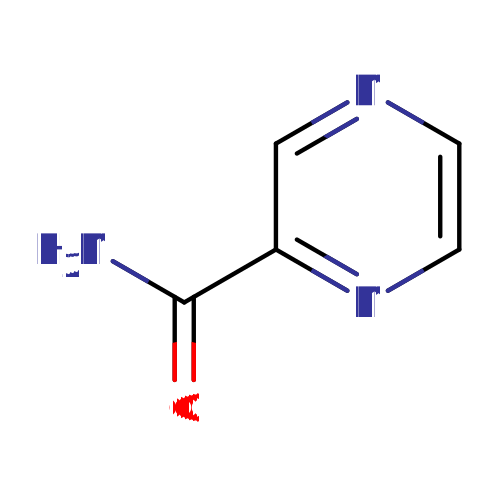 | |||||||||||||||||||||||||
| Synonyms | Not Available | |||||||||||||||||||||||||
| Molecular Formula | C5H5N3O | |||||||||||||||||||||||||
| Average Mass | 123.1127 | |||||||||||||||||||||||||
| Monoisotopic Mass | 123.043261797 | |||||||||||||||||||||||||
| IUPAC Name | Not Available | |||||||||||||||||||||||||
| Traditional Name | Not Available | |||||||||||||||||||||||||
| CAS Registry Number | 98-96-4 | |||||||||||||||||||||||||
| SMILES | Not Available | |||||||||||||||||||||||||
| InChI Identifier | InChI=1S/C5H5N3O/c6-5(9)4-3-7-1-2-8-4/h1-3H,(H2,6,9) | |||||||||||||||||||||||||
| InChI Key | IPEHBUMCGVEMRF-UHFFFAOYSA-N | |||||||||||||||||||||||||
| Chemical Taxonomy | ||||||||||||||||||||||||||
| Functional Ontology | ||||||||||||||||||||||||||
| Not Available | ||||||||||||||||||||||||||
| Physical Properties | ||||||||||||||||||||||||||
| State | Solid | |||||||||||||||||||||||||
| Predicted Properties | Not Available | |||||||||||||||||||||||||
| Spectra | ||||||||||||||||||||||||||
| Chromatographic Retention Times and Retention Indices | ||||||||||||||||||||||||||
| Retention Times | Not Available | |||||||||||||||||||||||||
| Retention Indices | Not Available | |||||||||||||||||||||||||
| Chromatographic Retention Times and Retention Indices | ||||||||||||||||||||||||||
| Retention Times | Not Available | |||||||||||||||||||||||||
| Retention Indices | Not Available | |||||||||||||||||||||||||
| Biological Properties | ||||||||||||||||||||||||||
| Cellular Locations |
| |||||||||||||||||||||||||
| Biospecimen Locations | Not Available | |||||||||||||||||||||||||
| Tissue Locations | Not Available | |||||||||||||||||||||||||
| Associated OMIM IDs | ||||||||||||||||||||||||||
| Human Proteins and Enzymes | ||||||||||||||||||||||||||
| ||||||||||||||||||||||||||
| Human Pathways | ||||||||||||||||||||||||||
| Pathways |
| |||||||||||||||||||||||||
| Microbial Pathways | ||||||||||||||||||||||||||
| Pathways | Not Available | |||||||||||||||||||||||||
| Metabolic Reactions | ||||||||||||||||||||||||||
Reactions This table shows at most 20 reactions. For the full list of associated reactions: See All Associated Reactions
| ||||||||||||||||||||||||||
| Health Effects and Bioactivity | ||||||||||||||||||||||||||
| ||||||||||||||||||||||||||
| Microbial Sources | ||||||||||||||||||||||||||
| ||||||||||||||||||||||||||
| Exposure Sources | ||||||||||||||||||||||||||
| Other Exposures |
| |||||||||||||||||||||||||
| Host Biospecimen and Location | ||||||||||||||||||||||||||
| ||||||||||||||||||||||||||
| External Links | ||||||||||||||||||||||||||
| External Links | Not Available | |||||||||||||||||||||||||
| General References | ||||||||||||||||||||||||||
| ||||||||||||||||||||||||||